
Most Common Deck Inspection Failures in South Jersey (And How to Avoid Them)


The most common deck inspection failures in South Jersey usually come down to structure and safety: footing depth/size, ledger attachment, missing hardware, improper guards/handrails, and stair details that don’t meet code. The frustrating part is that many of these issues are preventable — they happen when a deck is built like a “carpentry project” instead of a permitted structure.
At C-JAM Construction, we build decks only — permit-compliant, structurally sound, and designed to pass inspections in Gloucester County, Camden County, and Salem County. If you’re planning a deck and want it built once (the right way), Schedule a Free Deck Consultation and we’ll walk you through the inspection checkpoints before the first hole is dug.
How Deck Inspections Typically Work in NJ
Most towns inspect decks in phases. The exact sequence varies, but the common checkpoints are:
Footing inspection (before concrete is poured)
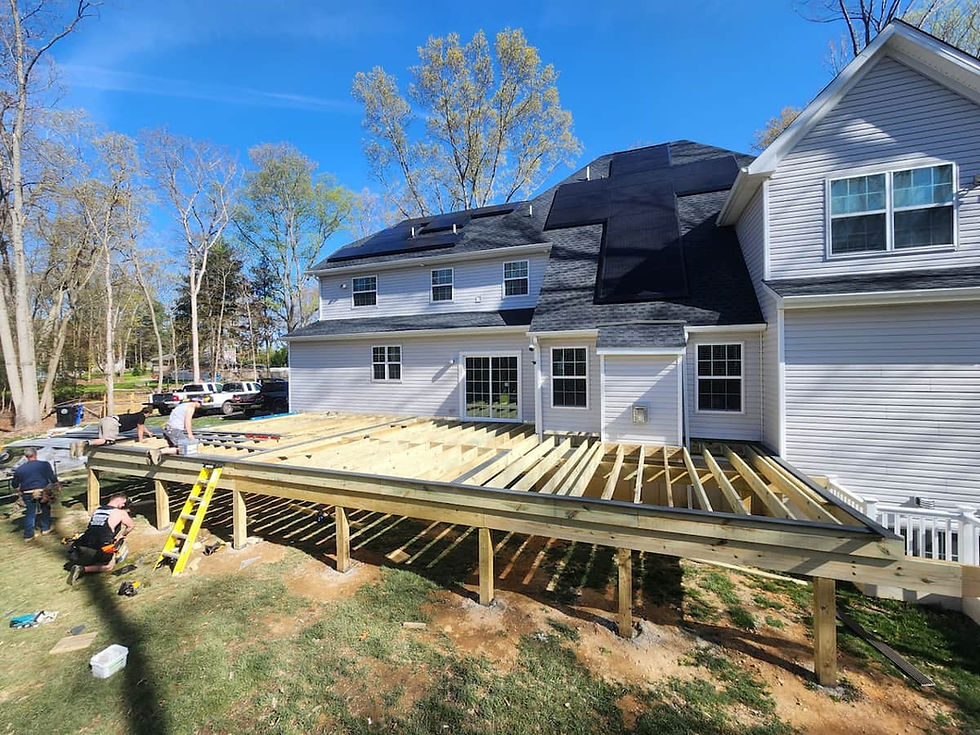
Framing inspection (before decking goes down)
Final inspection (rails, stairs, finish details, overall compliance)
If you’re new to the permit path, start here: Deck permit guide.And if you want a full picture of the build process, read: what to expect during a deck build.
1) Footings That Don’t Meet Depth or Size Requirements
Footings are the foundation. If they’re wrong, everything above them is at risk — and inspectors know it.
Common footing failures
Not deep enough for local frost conditions
Incorrect diameter/size for the loads
Footings not aligned to the approved plan
Soil issues not addressed (soft spots, fill, washout zones)
South Jersey soil varies a lot even town to town. If you want to understand why inspectors care so much about footing work, start here:
2) Ledger Attachment Problems (One of the Biggest Safety Issues)
The ledger board connection (where the deck attaches to the house) is a major inspection focus. A weak ledger connection is one of the most dangerous deck defects because it can cause separation from the home.
Common ledger-related failures
Missing or improper flashing
Incorrect fastener type/spacing
Ledger attached through siding without proper prep
Poor connection details at corners or bump-outs
If you’re hiring a contractor, this is one reason it pays to use a true deck specialist — not a general “do-everything” crew. It’s also why we focus heavily on structure in every build as a South Jersey deck builder.
3) Missing Hardware, Incorrect Connectors, or “Nails Instead of Structure”
Inspectors regularly fail decks for hardware issues because decks rely on connectors to resist movement over time.
Hardware issues that trigger inspection problems
Missing joist hangers where required
Incorrect hanger size/type
Missing post-to-beam connectors
Improper fasteners in structural connectors (wrong nails/screws)
Lack of blocking where needed for strength and stability
If you want to know what a properly built frame should look like before boards go down, read:why deck framing matters
4) Guardrail Failures (Height, Strength, and Spacing)
Guardrails aren’t just about looks — they’re life safety. Inspectors check height, spacing, and how the railing is anchored into the frame.
Common guardrail failures
Rail height not compliant for the deck height
Spindle spacing that allows unsafe gaps
Weak posts with inadequate blocking/attachment
Gates that aren’t secure or properly installed (when required)
If you want a clear overview of how structural rules and guardrail details tie together, use:understanding deck codes
5) Stair and Handrail Problems (The “Final Inspection” Killer)
Stairs are one of the most common reasons decks fail final inspection, especially when homeowners add stairs late or a contractor rushes the finish stage.
Stair failures we see most often
Uneven riser heights (even small inconsistencies matter)
Incorrect tread depth
Missing handrail where required
Handrail not “grippable” or mounted correctly
Poor landing details at the bottom of the stairs
Stairs also add cost fast, which is why they need to be planned early (not treated like an afterthought). If you’re budgeting, this helps set expectations: 2026 pricing guide.
6) Post/Beam Layout That Doesn’t Match the Approved Plan
Even if the build is “strong,” it can still fail if it doesn’t match the drawings that were approved.
Common plan-compliance failures
Posts moved to avoid landscaping after the permit was approved
Beams shifted to “make it work”
Deck size changed without revision
Stair location changed without revision
If you want to avoid headaches and delays, this is a must-read:how to avoid permit delays
7) Work Done Without Permits (Or Inspections Skipped)
This is the one homeowners don’t want to hear — but it’s real. When decks are built without permits (or inspections are skipped), problems show up later during a sale, an insurance issue, or a township complaint.
If you’re deciding between a repair and a full rebuild — especially on older decks — read:repairs vs full replacement
And if you want to understand what commonly fails in old structures, read:hidden deck failure risks
Mid-Article Next Step
If you want a deck that passes inspections without drama — and holds up long-term — it starts with the structure and a clean permit path.
Schedule a Free Deck Consultation and we’ll map out the build plan, inspection checkpoints, and material options for your property in South Jersey.
Why These Failures Happen So Often in South Jersey
A lot of inspection failures come from:
Contractors who don’t specialize in decks
Cutting corners on hidden structure
Changing the plan mid-build
Rushing the finish stage
Not accounting for local soil/frost realities
In towns like Deptford, Cherry Hill, and Marlton, inspection strictness and review timelines can vary — but the core structural expectations don’t change.
Bottom Line
Most deck inspection failures in South Jersey come from avoidable structural and safety issues: footings, ledger attachment, hardware, rails, stairs, and builds that don’t match the approved plan. The easiest way to avoid inspection problems is to design for compliance upfront, build with proper connectors and framing details, and follow the permit process from start to finish.
About C-JAM Construction
At C-JAM Construction, we build decks only — no general remodeling. We serve Gloucester County, Camden County, and Salem County with permit-compliant construction, structural framing expertise, and a clean professional process.
We’re TrexPro Certified, and every completed deck supports our Decks for CHOP initiative.
👉 See examples of our work: deck portfolio
Ready to talk? Schedule a Free Deck Consultation
📞 609-302-0249
Service coverage: Service Areas
FAQ
Q: What’s the most common deck inspection failure in NJ?
A: Footing issues and ledger attachment problems are among the most common — both are critical safety items.
Q: Why do stairs fail inspection so often?
A: Because small inconsistencies in riser height, missing handrails, or poor landing details are easy to spot and commonly rushed.
Q: Can a deck fail inspection even if it seems sturdy?
A: Yes. If it doesn’t match the approved plan or uses incorrect connectors/fasteners, it can still fail.
Q: Do I need a permit to rebuild an existing deck?
A: In many cases, yes — especially if framing, stairs, or layout changes. Zoning/permit requirements vary by scope and township.
Q: How can I avoid inspection delays in South Jersey?
A: Start permits early, submit a complete package, and don’t change structure mid-build without revisions.


Comments